News

How Does an Electromagnetic Relay Achieve High Dielectric Strength in Large-Current Switching?

2026-07-23 0 Leave me a message

YIJIA explains how an Electromagnetic Relay maintains high dielectric strength during large-current switching through insulation design, contact structure, and electromagnetic control technology.

As industrial equipment becomes more powerful and automated, electrical control components face increasing demands for safety and reliability. Switching large currents is not only about allowing electricity to pass through; it also requires preventing unwanted electrical leakage, reducing arc-related risks, and maintaining stable isolation between different circuits.

An electromagnetic relay plays an important role in this process because it allows a low-power control signal to operate a higher-power circuit while keeping the control side electrically separated from the load side. This separation ability is one of the key reasons relays remain widely used in industrial control systems.

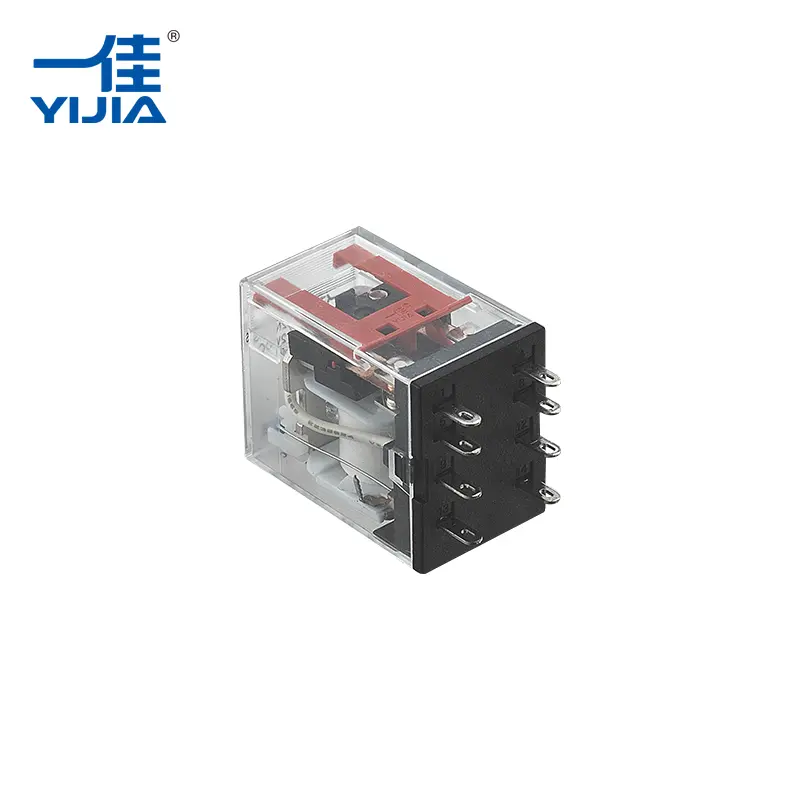
Electromagnetic Relay

Why Dielectric Strength Matters In Large-Current Switching

When electrical equipment operates with higher current levels, internal components experience greater electrical stress. During switching, the voltage difference between contacts can create conditions where electricity attempts to travel through unintended paths.

Dielectric strength refers to the ability of insulating materials and structural design to withstand voltage without electrical breakdown. For relays used in industrial applications, strong dielectric performance helps maintain safe separation between:

  • Control circuits and power circuits
  • Coil components and contact systems
  • Different electrical contact paths
  • Without sufficient insulation capability, electrical leakage or breakdown may affect equipment operation and create safety concerns.

    Electrical Challenge Possible Impact Design Requirement
    High voltage stress Insulation failure risk Strong insulation structure
    Frequent switching Contact wear and heat generation Reliable contact materials
    Large current loads Increased electrical stress Optimized contact design
    Electrical arcs Contact damage Improved switching protection

    How An Electromagnetic Relay Creates Electrical Isolation

    The working principle of an electromagnetic relay is based on converting an electrical signal into mechanical movement.

    When current flows through the relay coil, it generates a magnetic field that attracts the internal armature. This movement changes the position of the contacts, allowing the circuit to open or close.

    The important point is that the coil circuit and contact circuit are physically separated. This structure allows the relay to control a high-power circuit without directly connecting the control signal to the load.

    A typical switching process includes:

    1. The control signal energizes the coil.
    2. The electromagnetic field moves the armature.
    3. The contact system changes position.
    4. The external circuit receives the switching command.

    This design provides both control flexibility and electrical isolation.

    The Role Of Contact Structure In High-Current Applications

    The contact system is one of the most important parts affecting relay performance. During operation, contacts repeatedly connect and disconnect electrical paths. In large-current applications, the contact structure must handle electrical load while maintaining stable operation.

    Several factors influence contact performance:

    Contact Design Factor Effect On Performance
    Contact material Influences conductivity and wear resistance
    Contact spacing Helps improve insulation capability
    Contact pressure Supports stable electrical connection
    Mechanical movement accuracy Reduces switching errors

    A well-designed contact structure helps reduce problems caused by repeated switching, such as contact resistance increase or unstable electrical connection.

    How Insulation Design Improves Relay Safety

    The insulation system inside a relay is not limited to the outer housing. Internal barriers, coil insulation, and spacing between conductive parts all contribute to dielectric performance.

    In industrial environments, a relay may experience:

  • Temperature changes
  • Electrical surges
  • Continuous operating cycles
  • Mechanical vibration
  • Therefore, insulation materials must maintain their properties over long periods.

    The internal structure of an Electromagnetic Relay usually includes insulation elements around the coil and contact areas to prevent unintended electrical paths. Proper spacing between components also helps improve voltage resistance.

    Why Material Selection Influences Long-Term Reliability

    Material selection directly affects how a relay performs during repeated operation. Conductive parts need good electrical performance, while insulating parts need stable protection.

    Common design considerations include:

    Component Main Function
    Coil insulation Separates control circuit from magnetic system
    Contact material Transfers current efficiently
    Housing material Protects internal components
    Mechanical support parts Maintains accurate movement

    For large-current switching, the balance between conductivity and insulation is especially important. A component must allow current to flow through the correct path while preventing unwanted electrical connections.

    Applications Where Dielectric Strength Is Critical

    Industrial systems often rely on relays where electrical isolation and switching reliability are essential.

    Industrial Machinery

    Manufacturing equipment frequently includes motors, actuators, and control systems that require reliable switching. Relays help separate control signals from higher-power circuits.

    Control Cabinets

    Electrical cabinets contain multiple circuits operating together. Strong insulation performance helps maintain safe separation between different electrical functions.

    Automation Equipment

    Automated systems require accurate signal control. Relays provide a practical way to manage different electrical loads while protecting sensitive control components.

    Power Control Systems

    Equipment involving higher current levels requires switching components that can maintain stable operation under electrical stress.

    What Factors Should Be Considered When Selecting A Relay?

    Selecting a relay for industrial applications requires more than checking current ratings. The working environment and electrical requirements also influence performance.

    Important considerations include:

    Selection Factor Why It Matters
    Rated current Determines suitable load handling capability
    Dielectric strength Supports safe electrical isolation
    Switching frequency Influences mechanical service life
    Contact configuration Determines circuit control options
    Operating environment Affects material and protection requirements

    A suitable relay design should match both the electrical characteristics and the actual operating conditions of the equipment.

    The Relationship Between Electromagnetic Control And Modern Industrial Systems

    As automation technology develops, industrial control systems require components that combine compact design with dependable performance. The electromagnetic principle remains valuable because it provides a simple method for controlling high-power circuits through low-power signals.

    An Electromagnetic Relay achieves high dielectric strength through several combined design elements, including effective insulation structures, controlled contact spacing, reliable materials, and precise mechanical movement.

    YIJIA Industrial Electrical Co., Ltd. focuses on industrial control components such as relays, AC contactors, push button switches, signal lamps, and related electrical products. Through continuous improvement in product design and quality management, YIJIA develops components that support different industrial control requirements.

    As large-current switching continues to play an important role in machinery, automation, and electrical systems, dielectric strength remains a key factor in relay performance. The combination of electromagnetic operation and insulation-focused engineering allows the Electromagnetic Relay to provide stable circuit control while maintaining reliable electrical separation in demanding applications.

    Related News
    Leave me a message
    X
    We use cookies to offer you a better browsing experience, analyze site traffic and personalize content. By using this site, you agree to our use of cookies.Privacy Policy
    RejectAccept