News

How Does Silver Contact Material and 90° Index Angle Affect Two-Way Key Switch Durability?

2026-07-23 0 Leave me a message

YIJIA examines how contact materials and mechanical design influence the service life of a Two-Way Key Switch in industrial control applications.

In many electrical control systems, a switch is expected to perform thousands of operations while maintaining stable signal transmission. The durability of a key switch is not only determined by its outer structure but also by small internal details, including contact material selection and the rotation angle of the operating mechanism.

For equipment that requires controlled access or two-direction switching, the design of the Two-Way Key Switch plays an important role in balancing operational convenience, electrical reliability, and long-term performance.

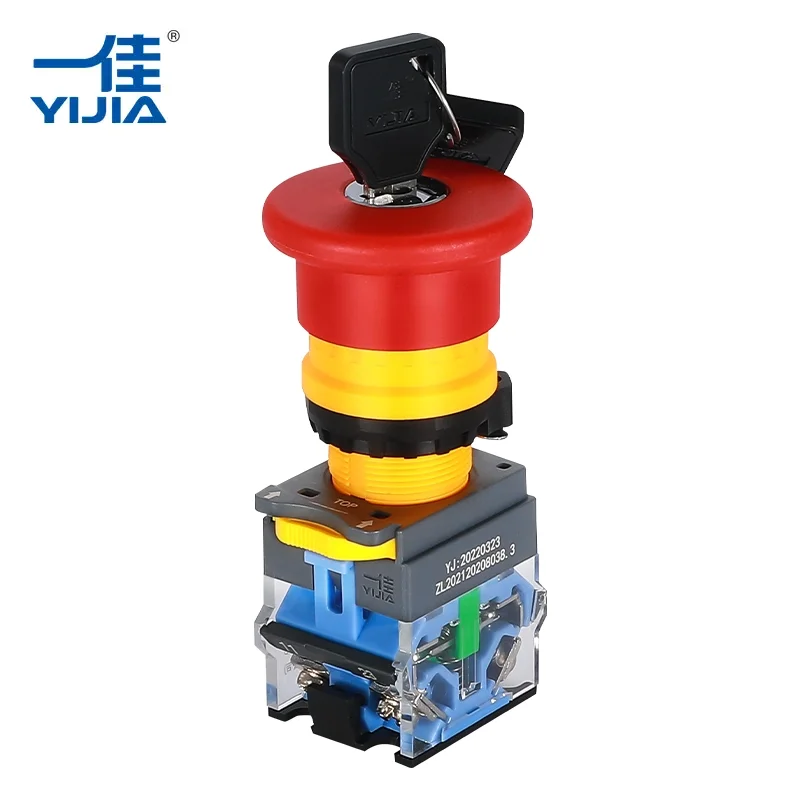
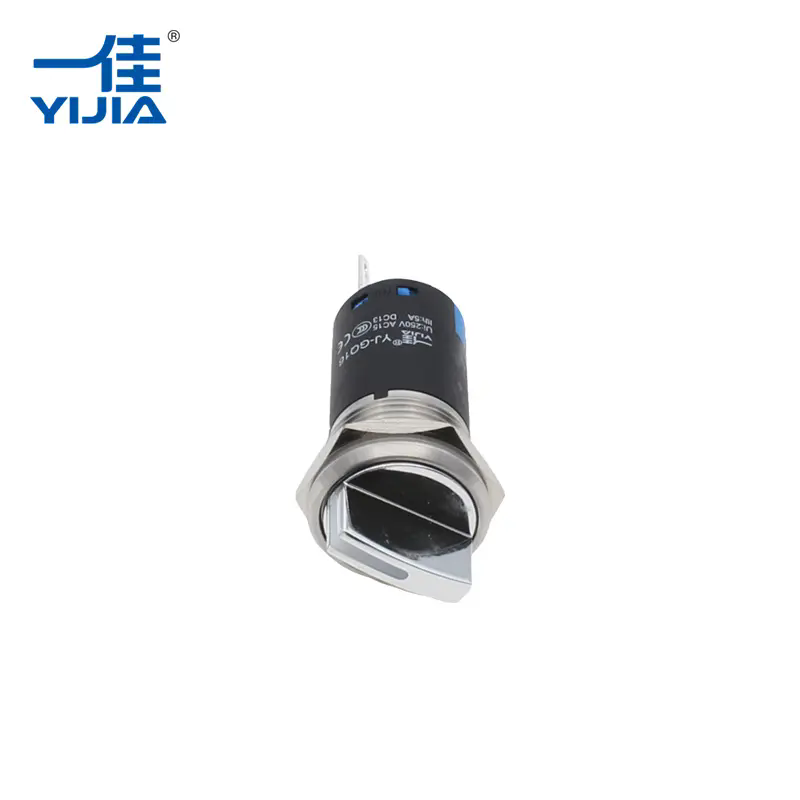
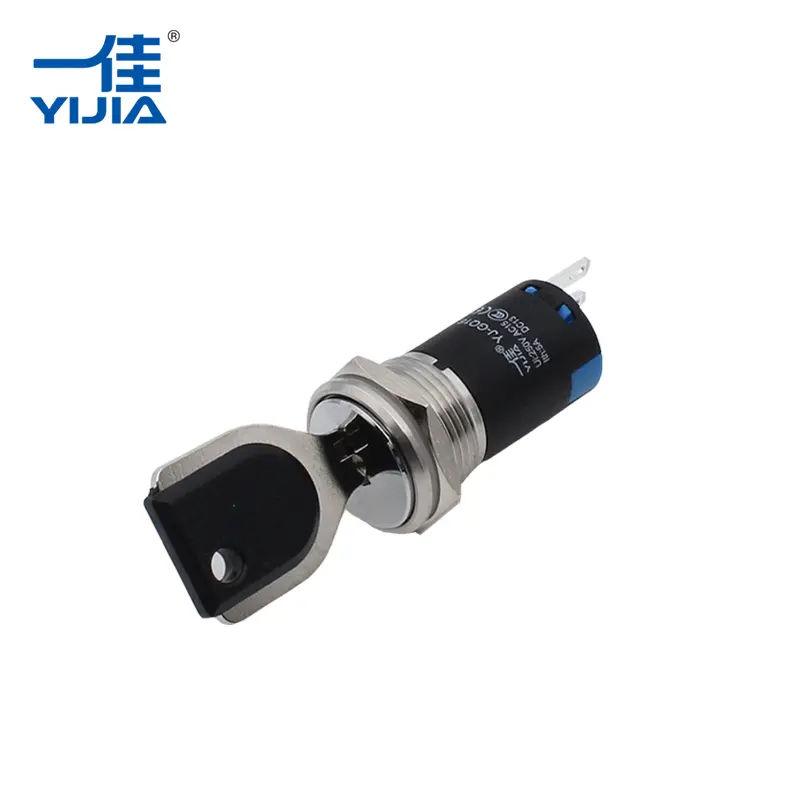
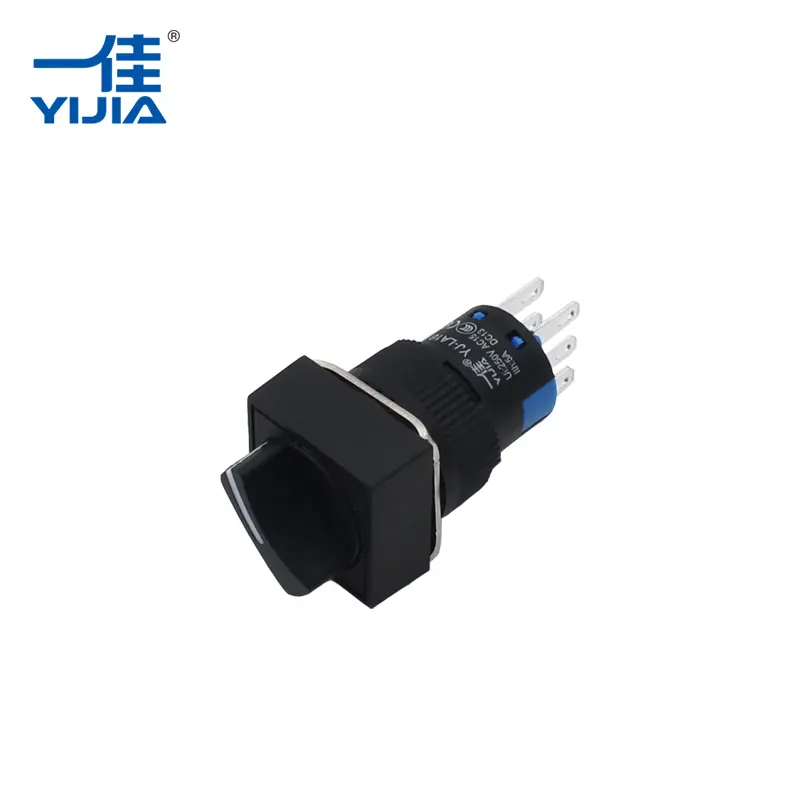
Two-Way Key Switch

Why Contact Material Matters In Key Switch Performance

Inside a key switch, the contact points are responsible for transferring electrical signals. Every time the switch is turned, these contacts move together and separate again. Over long periods of operation, repeated mechanical movement can create wear, oxidation, or unstable connections if the contact material is not suitable.

Silver alloy contacts are widely used in industrial switches because silver has excellent electrical conductivity and can maintain reliable contact performance during repeated switching.

The advantages of silver contact materials include:

Feature Impact On Switch Performance
High electrical conductivity Helps maintain efficient current transmission
Good resistance to contact wear Supports longer operating life
Stable switching performance Reduces signal interruption
Suitable for frequent operation Handles repeated mechanical cycles

In a Two-Way Key Switch, the contact system must respond accurately when the key rotates between two positions. A stable contact material helps ensure that each switching action creates a consistent electrical connection.

How A 90° Index Angle Controls Switching Movement

The index angle refers to the rotation distance required for the key mechanism to move from one position to another. A 90° index angle means the switch completes its position change through a quarter-turn rotation.

This design provides a clear separation between two operating states. When the key turns 90 degrees, the internal cam mechanism moves the contacts into a different position, creating a new circuit condition.

The relationship between movement and control can be understood as:

Rotation Position Internal Action Electrical Result
Initial position Contact remains in original state Original circuit activated
90° rotation Cam mechanism changes contact position Alternative circuit activated
Return movement Mechanism resets contact position Previous state restored

The fixed angle helps operators recognize the selected position while reducing uncertain movement between two control states.

The Connection Between Mechanical Structure And Service Life

Electrical durability is closely related to mechanical accuracy. A key switch with poor positioning control may experience unnecessary stress on internal parts, leading to faster wear.

A well-designed Two-Way Key Switch usually combines several elements:

  • Precision rotary mechanism
  • Stable positioning structure
  • Wear-resistant internal components
  • Reliable contact arrangement
  • When these components work together, the switch can maintain consistent operation even under frequent use.

    For industrial equipment, the key is not simply whether a switch can complete one operation, but whether it can continue performing accurately after thousands of cycles.

    Why Two-Way Operation Is Used In Industrial Equipment

    Many machines require simple but controlled switching between two conditions. A two-way key design provides a straightforward solution because the operator can select one of two predefined states.

    Common examples include:

  • Manual and automatic mode selection
  • Machine enable and disable control
  • Local and remote operation selection
  • Access control functions
  • Compared with ordinary switches, key-operated designs also add a level of control because only authorized users with the correct key can change the setting.

    This makes them suitable for equipment where accidental operation could affect production processes or system settings.

    How Internal Contact Design Influences Reliability

    The internal structure of a key switch determines how smoothly mechanical movement is converted into electrical action.

    A typical switching process involves:

    1. The key rotates the operating shaft.
    2. The shaft moves the internal cam structure.
    3. The cam changes the contact position.
    4. The circuit receives a new control signal.

    If the contact pressure is too low, electrical connection may become unstable. If mechanical movement is too stiff, internal parts may experience unnecessary stress.

    Balanced design helps achieve:

    Design Element Function
    Contact pressure control Maintains stable electrical connection
    Spring mechanism Provides consistent movement feedback
    Rotary positioning system Ensures accurate switching points
    Protective housing Reduces environmental impact

    These details directly affect the reliability of the switch during daily operation.

    Environmental Factors That Influence Key Switch Durability

    Industrial control components often face challenging conditions. Temperature changes, dust, vibration, and frequent operation can all influence switch performance.

    A durable key switch design considers:

  • Mechanical strength of the housing
  • Protection of internal contacts
  • Resistance to repeated rotation
  • Stability of the locking mechanism
  • The metal construction commonly used in industrial key switches provides additional protection against physical impact. Combined with silver contact materials, it helps create a more stable solution for long-term applications.

    Selecting The Right Key Switch For Different Control Requirements

    Before selecting a switch, equipment designers usually consider several practical factors:

    Consideration Importance
    Number of positions Determines available control choices
    Rotation angle Defines operator movement and positioning
    Contact material Influences electrical reliability
    Operating frequency Affects expected service life
    Installation environment Determines structural requirements

    For systems requiring two clear operating states, a 90° indexed design can provide a predictable and easy-to-understand control method.

    The Role Of Material And Precision Design In Modern Control Systems

    As industrial equipment becomes more automated, control components must provide both reliability and ease of use. Small mechanical improvements can have a significant effect on overall system performance.

    The combination of silver contact material and a precise 90° index angle allows a Two-Way Key Switch to achieve stable switching behavior while maintaining a clear operating experience. YIJIA Industrial Electrical Co., Ltd. continues to focus on industrial control components, including key switches, push button switches, relays, contactors, and signal devices, with attention to practical application requirements.

    Understanding how contact materials and mechanical angles affect durability helps engineers make better decisions when designing control systems. A reliable Two-Way Key Switch is not only about the external key operation but also about the internal structure that ensures every switching action remains accurate over time.

    Related News
    Leave me a message
    X
    We use cookies to offer you a better browsing experience, analyze site traffic and personalize content. By using this site, you agree to our use of cookies.Privacy Policy
    RejectAccept