News

What Is The Difference Between Maintained And Momentary Metal Selector Switch Operation?

2026-07-14 0 Leave me a message

YIJIA Industrial Electrical Co., Ltd. explains how a Metal Selector Switch uses maintained and momentary operation methods to meet different industrial control requirements.

In industrial control systems, operators often need switches that provide clear commands while matching the working process of different machines. Although maintained and momentary selector switches may look similar from the outside, their internal mechanisms and operating behaviors create different control experiences.

Understanding the difference between these two operation types helps engineers and equipment designers choose a suitable switching solution for control panels, automation equipment, and electrical systems.

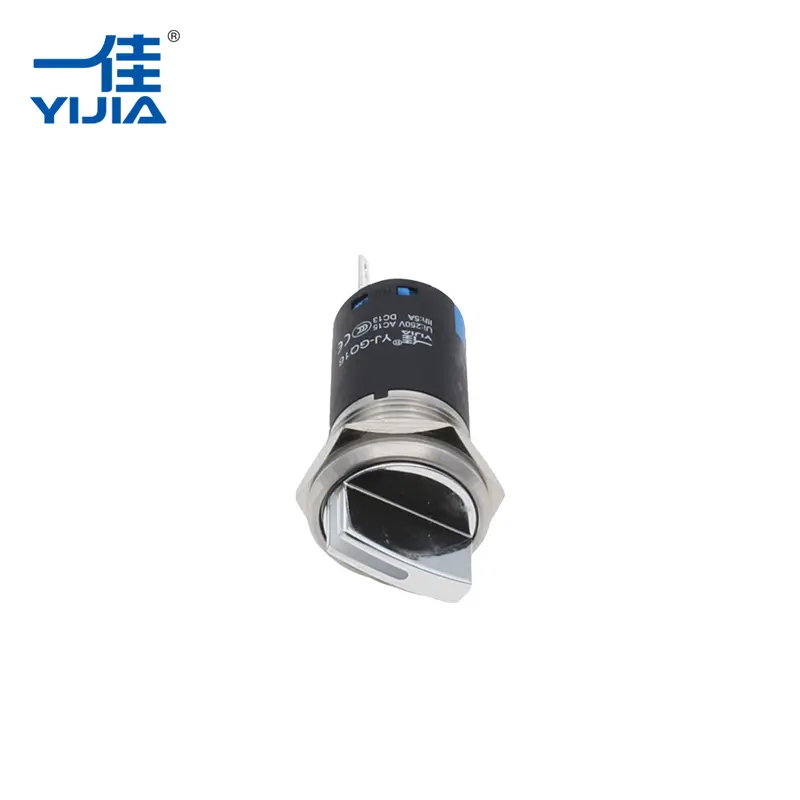
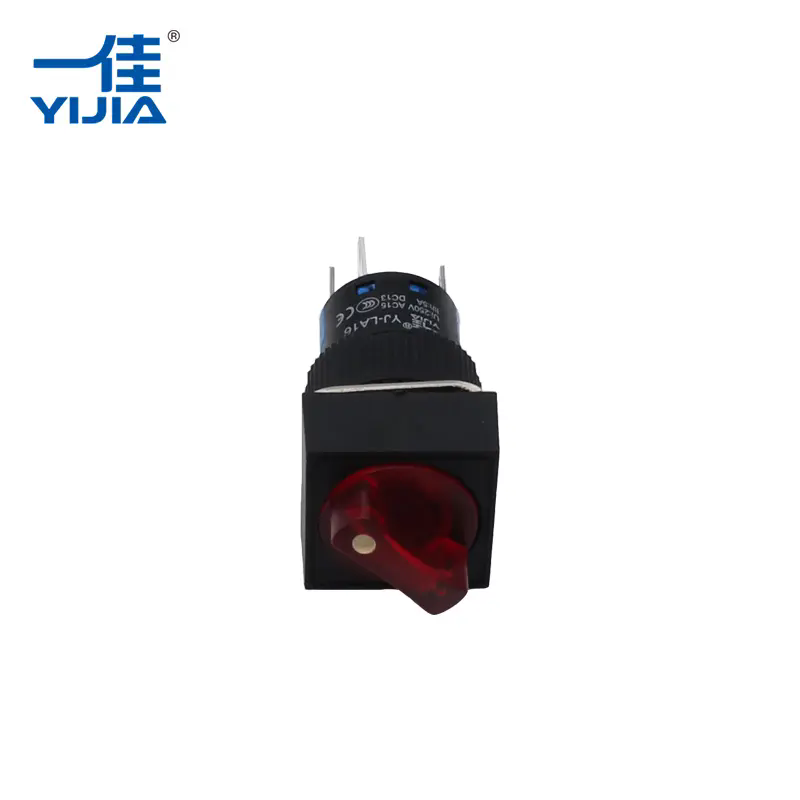
Metal Selector Switch

Understanding The Basic Operation Of Selector Switches

A selector switch works by rotating a handle or knob to change the connection status of electrical circuits. Unlike standard push buttons that usually provide temporary control through pressing, selector switches are designed for selecting different operating states.

For example, a machine may need different modes such as:

- Manual operation
- Automatic operation
- Standby mode
- Emergency control
- Testing mode

A rotary selector allows operators to choose these functions through different positions. The selected position determines which internal contacts are activated and which electrical signals are sent to the control system.

The main difference between maintained and momentary operation is whether the switch stays in the selected position after the operator releases it.

Operation Type Switch Behavior Common Application
Maintained selector switch Remains in the selected position after rotation Mode selection and continuous control
Momentary selector switch Returns to the original position after release Temporary commands and signal activation

What Is A Maintained Metal Selector Switch?

A maintained selector switch is designed to hold its selected position until it is manually changed again. When an operator rotates the switch from one position to another, the internal mechanism locks into the new position.

For example, when a machine uses a selector switch to choose between automatic and manual operation, the switch needs to remain in the selected mode during the entire working process. A maintained design ensures that the control signal remains active without requiring continuous operator input.

Typical features include:

- Stable position retention
- Clear visual indication of operating status
- Suitable for long-term mode selection
- Reduced need for repeated manual operation

A Metal Selector Switch with maintained operation is commonly used in control cabinets, machine tools, production equipment, and industrial electrical panels where operators need a permanent setting.

What Is A Momentary Selector Switch?

A momentary selector switch works differently. After the operator turns the switch and releases it, the mechanism automatically returns to its original position.

This type of operation is useful when the command only needs to be activated for a short period. For example, a machine may require a temporary reset signal, testing action, or manual triggering function.

Common applications include:

- Equipment reset functions
- Temporary start commands
- Testing operations
- Signal confirmation functions

The temporary movement prevents accidental continuous activation and provides additional control flexibility for specific operating procedures.

Key Differences Between Maintained And Momentary Designs

Although both designs use a rotary mechanism, their internal structures are optimized for different purposes.

Comparison Point Maintained Type Momentary Type
Position holding Keeps selected position Returns automatically
Operator action One-time adjustment Requires temporary activation
Control signal Continuous until changed Active only during operation
Main purpose Mode selection Temporary command
Typical usage Machine operating modes Reset and testing functions

Choosing between these two types depends mainly on whether the electrical signal needs to continue after the operator releases the switch.

How Metal Construction Improves Industrial Reliability

Industrial environments often involve vibration, frequent operation, and mechanical impact. The material selection of a selector switch directly influences its durability.

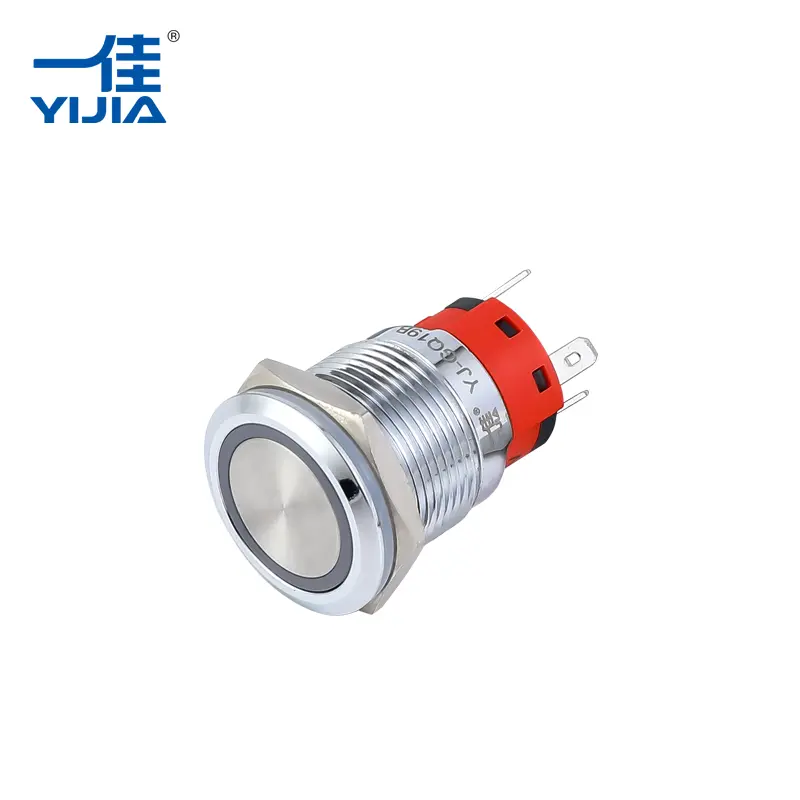
The housing and button head of a Metal Selector Switch are commonly made from stainless steel or other metal materials such as brass and aluminum alloy. Compared with standard plastic designs, metal structures provide stronger impact resistance and better protection in demanding applications.

The advantages of metal construction include:

- Higher mechanical strength
- Better resistance to accidental impact
- Longer service life under frequent operation
- Improved appearance for professional control panels

The internal contact system is also important. Optimized spring mechanisms and silver alloy contacts help maintain stable electrical connections, especially when switches are used repeatedly in industrial applications.

Why Contact Design Matters For Switch Performance

A selector switch does more than provide mechanical movement. The internal contact system determines how effectively electrical signals are transferred.

A well-designed contact structure helps achieve:

Component Design Performance Benefit
Silver alloy contacts Supports reliable electrical conductivity
Improved spring mechanism Provides consistent switching action
Engineering plastic parts Enhances wear resistance
Reinforced internal structure Improves long-term operation stability

These design elements work together to reduce contact problems and support consistent operation throughout the service life of the switch.

Selecting The Right Operation Type For Different Applications

When designing electrical equipment, the correct selector switch operation depends on the function being controlled.

A maintained type is generally preferred when:

- The machine needs a fixed operating mode
- Operators need visible status confirmation
- The control state should remain unchanged

A momentary type is more suitable when:

- The command only needs a short signal
- Automatic return is preferred for safety reasons
- The function is used occasionally

For example, an industrial machine may use a maintained selector for switching between automatic and manual production modes, while using a momentary selector for maintenance testing.

The Role Of Selector Switches In Modern Industrial Control

As automation systems become more complex, control components must provide simple operation while maintaining reliability. Selector switches continue to play an important role because they offer direct interaction between operators and electrical systems.

YIJIA Industrial Electrical Co., Ltd. focuses on industrial control products including relays, AC contactors, push button switches, signal lamps, buzzers, and selector switches. With more than 20 years of experience in product development and quality improvement, YIJIA provides various control component solutions for different application requirements.

The difference between maintained and momentary operation is mainly determined by how the switch handles position retention. Understanding this distinction helps create more efficient and practical control systems. Through durable materials, optimized structures, and reliable switching performance, the Metal Selector Switch remains an important component in industrial automation and electrical control applications.

Related News
Leave me a message
X
We use cookies to offer you a better browsing experience, analyze site traffic and personalize content. By using this site, you agree to our use of cookies.Privacy Policy
RejectAccept