News

How Does The Push-Pull Lock Mechanism Work On An Emergency Stop Button?

2026-07-14 0 Leave me a message

YIJIA Industrial Electrical Co., Ltd. explains how an Emergency Stop Button uses a push-pull lock mechanism to provide fast machine shutdown and reliable safety control.

In industrial environments, emergency control devices must respond immediately when unexpected situations occur. The push-pull locking structure used in emergency stop buttons is designed to create a simple but dependable operation process, allowing operators to stop equipment quickly and prevent further risks.

From manufacturing machines to automation systems, this mechanism has become a common safety solution because it combines quick activation, clear status indication, and controlled reset operation.

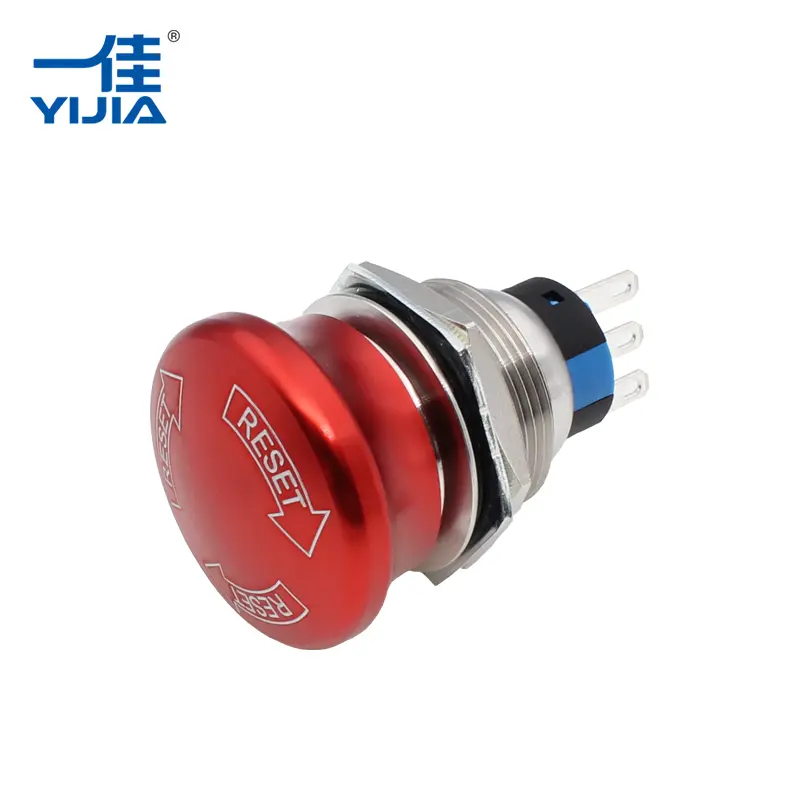
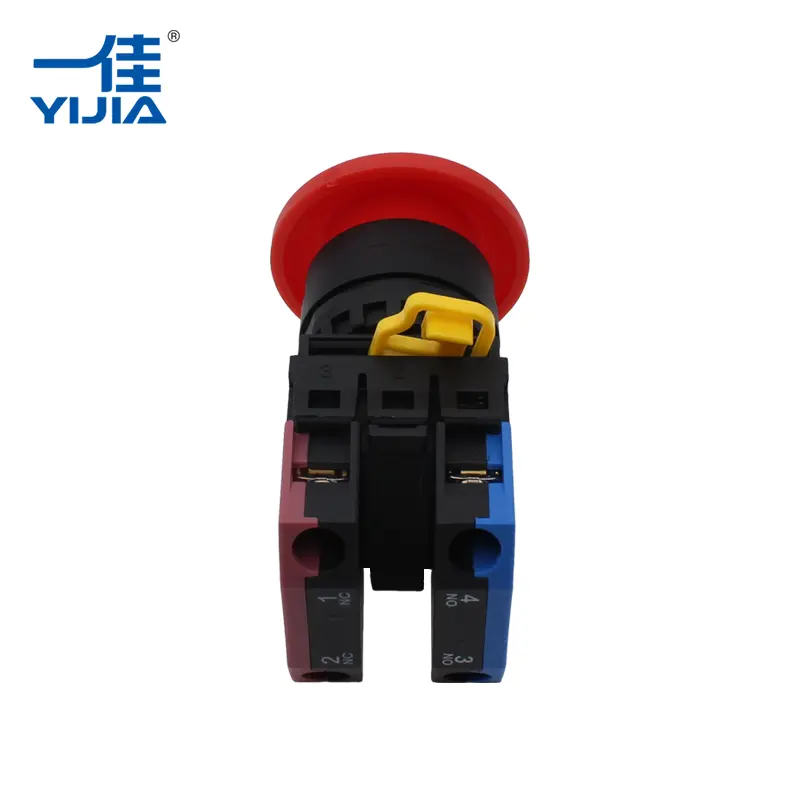
Emergency Stop Button

Understanding The Purpose Of An Emergency Stop Button

An emergency stop button is a safety control component designed to interrupt machine operation during abnormal conditions. It is commonly installed on control panels, production equipment, assembly lines, and industrial machinery where immediate shutdown may be required.

Unlike ordinary control switches, an emergency stop device is not used for daily start and stop operations. Its main purpose is to provide a quick response when operators need to stop hazardous movement or prevent equipment damage.

Typical situations requiring emergency stopping include:

- Unexpected machine malfunction
- Operator safety concerns
- Abnormal operating conditions
- Maintenance preparation
- Potential equipment damage

The effectiveness of an emergency stop system depends not only on the electrical circuit but also on the mechanical design of the button itself.

How The Push-Pull Lock Mechanism Works

The push-pull locking mechanism is based on a simple mechanical movement. When an operator presses the emergency button, the button head moves inward and locks into the activated position.

The internal structure usually includes:

- Button head
- Locking mechanism
- Spring structure
- Contact block
- Reset system

When pressed:

- The button head moves downward.
- The locking mechanism holds the button in place.
- The internal contacts change their electrical state.
- The connected machine control circuit receives a stop signal.

The button remains locked until the operator performs a reset action. This prevents accidental recovery of machine operation before the situation has been checked.

Operation Process Mechanical Action Control Result
Press emergency button Button moves inward and locks Machine stop signal activated
Maintain locked position Internal mechanism holds status Prevents accidental restart
Pull button outward Lock is released manually System can return to normal control

Push-Pull Reset And Other Reset Methods

Different emergency stop buttons use different reset methods depending on application requirements. The push-pull type is one of the most commonly recognized designs because of its straightforward operation.

A push-pull reset works by manually pulling the button head outward after the emergency situation has been resolved. The internal mechanism releases, allowing the contacts to return to their original state.

Other common reset methods include:

Reset Method Operating Principle Application Characteristics
Push-pull reset Pull the button outward to release Simple and intuitive operation
Twist reset Rotate the button head to unlock Helps prevent accidental release
Key reset Use a key for release Suitable for restricted access areas

The selected reset method depends on equipment design, safety requirements, and operating environment.

Why Locking Design Is Important For Industrial Safety

A non-locking button could immediately return after being pressed, which may create confusion about whether the emergency command has been completed. The locking structure solves this problem by providing a visible and physical indication.

The locked position offers several benefits:

- Clear identification of emergency status
- Prevention of unintended machine restart
- Easier inspection before restarting equipment
- Improved operator awareness

For industrial systems, the mechanical locking function works together with electrical contacts to create a more reliable safety response.

How Metal Construction Improves Emergency Button Durability

Industrial control components often operate in environments where vibration, dust, and frequent use are common. The physical structure of an emergency stop device directly affects its service life.

A high-quality Emergency Stop Button usually uses durable housing materials, including metal options such as stainless steel, to improve mechanical strength and resistance to impact.

Compared with standard plastic structures, metal designs can provide:

Design Feature Practical Advantage
Metal housing Better resistance to mechanical impact
Reinforced button structure Supports repeated operation
Stable contact system Maintains reliable electrical connection
Wear-resistant materials Extends operational life

These features help emergency control components remain dependable in demanding industrial applications.

The Role Of Contact Systems In Emergency Stop Operation

The mechanical movement of the button must work together with the electrical contact structure. When the emergency button is activated, the internal contacts change state and send a signal to the control system.

Common contact arrangements include:

- Normally closed (NC) contacts for safety circuits
- Multiple contact blocks for different control signals
- Modular designs for flexible installation

The use of reliable contact materials helps reduce electrical failures caused by repeated switching. Combined with optimized spring mechanisms, the contact system supports consistent performance during emergency situations.

Common Applications Of Emergency Stop Buttons

Emergency stop devices are widely used across industries where machinery requires immediate shutdown capability.

Manufacturing Equipment

Production machines often include emergency buttons on control panels or machine frames so operators can quickly respond to unexpected problems.

Automation Systems

Robotic equipment and automated production lines require fast shutdown functions to protect operators and equipment.

Electrical Control Cabinets

Control cabinets integrate emergency stop functions to provide centralized safety management.

Processing And Packaging Equipment

Machines involving moving parts, cutting systems, or conveyor mechanisms commonly use emergency controls as part of their safety design.

What Should Be Considered When Selecting An Emergency Stop Device?

Choosing a suitable emergency stop component requires consideration of both mechanical and electrical requirements.

Important factors include:

Selection Factor Reason
Reset method Determines how the system returns to operation
Contact configuration Must match the control circuit design
Installation size Ensures compatibility with the control panel
Operating environment Affects material and protection requirements
Mechanical durability Influences long-term reliability

A properly selected emergency control component can improve machine safety while supporting convenient maintenance and operation procedures.

Improving Industrial Safety Through Reliable Control Components

As industrial automation continues to develop, safety components remain essential parts of machine design. The emergency stop button is a direct connection between operators and equipment protection systems.

YIJIA Industrial Electrical Co., Ltd. focuses on industrial electrical control products including push button switches, signal lamps, relays, contactors, buzzers, and emergency control components. Through continuous product improvement and quality management practices, YIJIA develops solutions designed for different industrial control applications.

The push-pull locking mechanism works by combining mechanical locking and electrical switching functions, creating a clear and reliable emergency response method. With durable construction and practical operation design, the Emergency Stop Button continues to play an important role in improving safety and control reliability across modern industrial equipment.

Related News
Leave me a message
X
We use cookies to offer you a better browsing experience, analyze site traffic and personalize content. By using this site, you agree to our use of cookies.Privacy Policy
RejectAccept