News

How Does a Plastic Selector Switch Improve Control Efficiency in Industrial Equipment?

2026-03-11 0 Leave me a message

Article Summary

Plastic selector switches are widely used in industrial control panels, automation equipment, and electrical systems. These switches allow operators to easily select between multiple circuit states or functions. This article explains how a plastic selector switch works, why it is important for modern equipment, and how to choose the right model for different industrial environments. It also highlights key technical parameters, application scenarios, and common user concerns to help buyers make informed decisions.

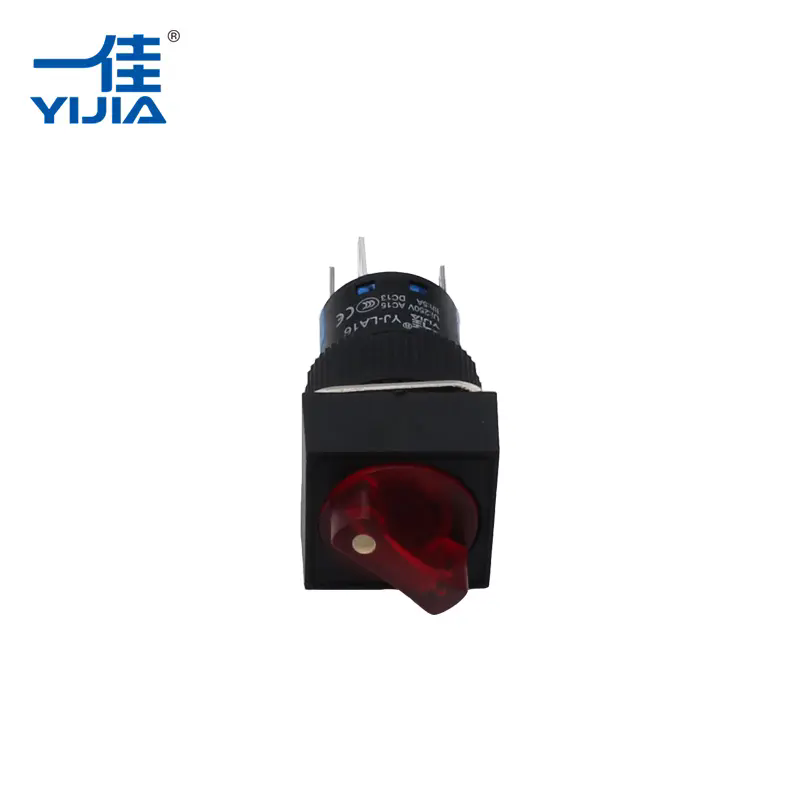
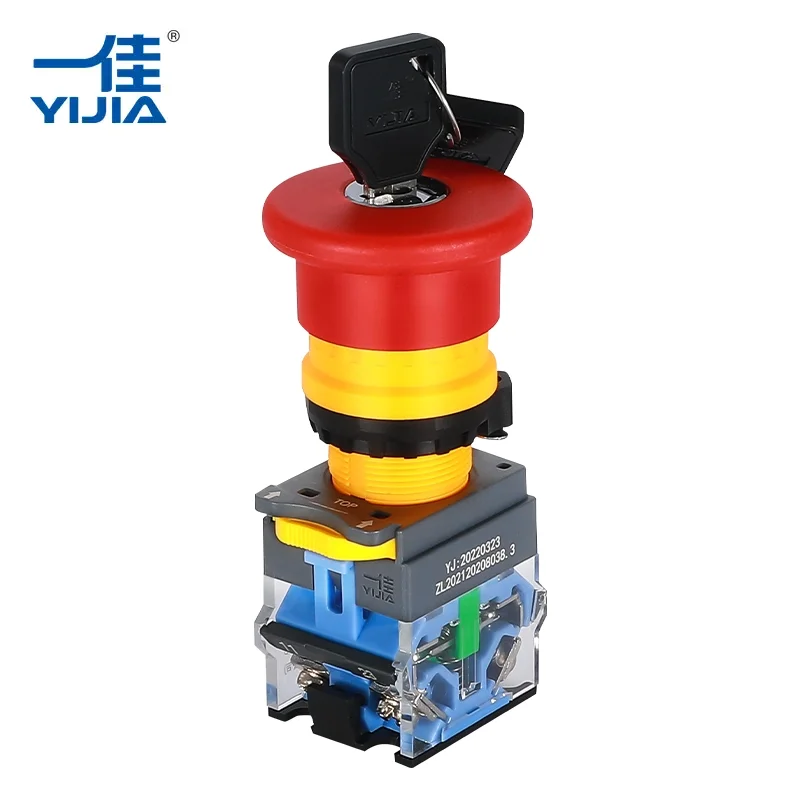
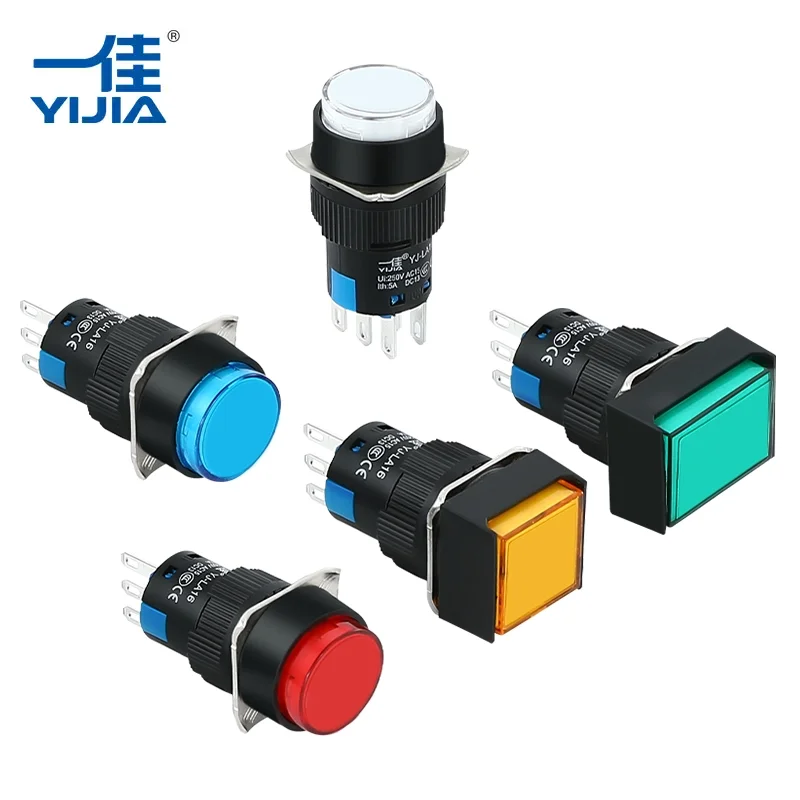
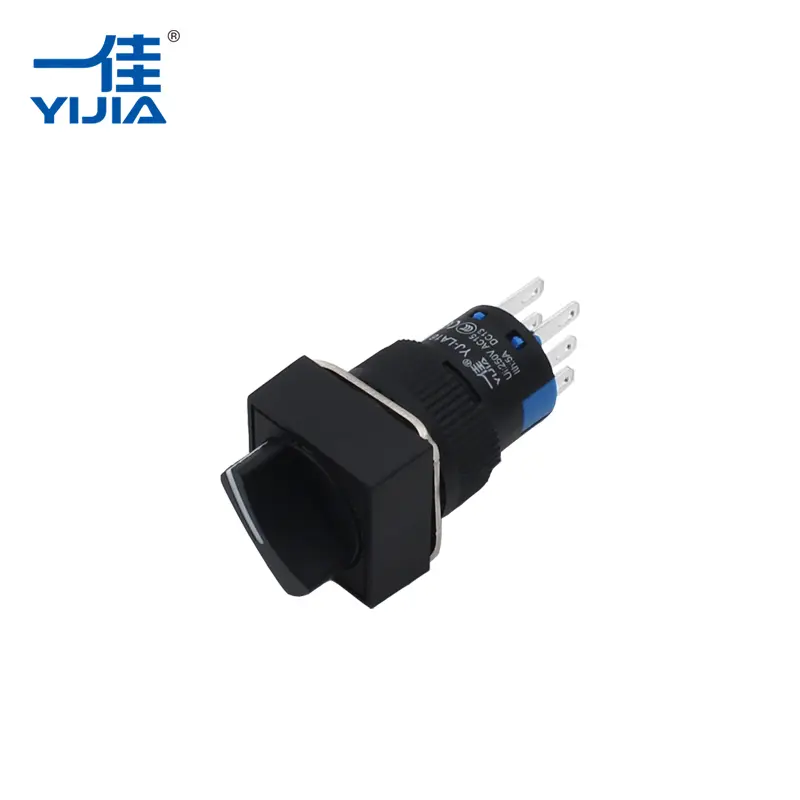
Illuminated Selector Switch

Table of Contents


1. Understanding Plastic Selector Switches

A plastic selector switch is a rotary control device designed to allow operators to choose between multiple electrical circuits or operating modes. Unlike push buttons that perform single actions, selector switches maintain a fixed position until manually changed. This makes them ideal for machines requiring stable mode selection.

The outer housing is typically made from durable engineering plastics, providing insulation, corrosion resistance, and lightweight performance. Inside the switch, mechanical contacts connect different circuits depending on the selected position.

Plastic selector switches are commonly installed in:

  • Industrial control panels
  • Automation machinery
  • Electrical cabinets
  • Manufacturing equipment
  • Power distribution systems

Manufacturers such as YIJIA design these switches to offer reliable performance in demanding industrial environments while maintaining cost efficiency.


2. How a Plastic Selector Switch Works

The working principle of a plastic selector switch is based on mechanical rotation combined with internal electrical contacts. When the operator rotates the knob or handle, the internal cam mechanism moves conductive contacts to connect different circuits.

The typical operation process includes:

  1. Rotation Input – The operator rotates the switch handle.
  2. Mechanical Cam Movement – The cam inside the switch rotates simultaneously.
  3. Contact Switching – Internal metal contacts shift to connect different terminals.
  4. Circuit Selection – The electrical circuit corresponding to that position becomes active.

Most selector switches support multiple positions such as:

  • 2-position (ON/OFF)
  • 3-position (Forward/Stop/Reverse)
  • 4-position or multi-mode control

Each position corresponds to a unique circuit configuration, enabling complex machine control using a simple interface.


3. Main Components of a Plastic Selector Switch

A typical plastic selector switch consists of several key structural parts that work together to provide reliable operation.

Component Description Function
Operating Handle External rotary knob or lever Allows users to select switch positions
Plastic Housing Durable insulated enclosure Protects internal components and provides electrical insulation
Cam Mechanism Rotating internal structure Controls movement of electrical contacts
Contact Blocks Conductive metal terminals Open or close electrical circuits
Mounting Base Panel installation structure Secures the switch to the control panel

The design of these components determines the durability and reliability of the switch during continuous industrial operation.


4. Common Industrial Applications

Plastic selector switches are widely used in equipment that requires manual control or mode selection. Their simple structure and reliable operation make them suitable for a wide range of industries.

Typical application areas include:

  • Machine start/stop control
  • Motor direction selection
  • Production line operation modes
  • Lighting system switching
  • Power distribution equipment
  • Industrial automation systems

In many control panels, selector switches are used together with indicator lights and push buttons to create a complete human-machine control interface.


5. Advantages of Using Plastic Selector Switches

Plastic selector switches offer several practical advantages compared with metal or complex digital control components.

Key benefits include:

  • Strong Electrical Insulation – Plastic housing improves safety.
  • Lightweight Structure – Easy installation and panel integration.
  • Cost-Effective Manufacturing – Ideal for large-scale equipment production.
  • Corrosion Resistance – Suitable for humid or dusty environments.
  • Stable Mechanical Operation – Maintains fixed positions during machine operation.

These advantages make plastic selector switches a preferred control component for many industrial equipment manufacturers.


6. Typical Technical Parameters

Understanding technical specifications helps ensure compatibility with electrical systems and operating environments.

Parameter Typical Specification
Rated Voltage 220V – 690V AC
Rated Current 10A – 20A
Contact Type Normally Open / Normally Closed
Number of Positions 2 Position / 3 Position / Multi Position
Material Engineering Plastic Housing
Installation Method Panel Mount
Mechanical Life Over 100,000 Operations

Switches produced by companies like YIJIA are designed to meet industrial reliability standards while maintaining consistent electrical performance.


7. How to Choose the Right Plastic Selector Switch

Selecting the appropriate selector switch is important for ensuring safe and efficient equipment operation. Buyers should consider several factors before purchasing.

Important selection criteria:

  • Number of Positions – Determine the required control modes.
  • Electrical Ratings – Ensure compatibility with system voltage and current.
  • Mounting Size – Confirm panel hole dimensions.
  • Environmental Protection – Choose dustproof or waterproof options if necessary.
  • Mechanical Durability – Consider switch lifespan for high-frequency operations.

Industrial equipment manufacturers often prefer standardized switch models that are easy to replace and maintain.


8. Frequently Asked Questions

Q1: What is the difference between a selector switch and a push button?

A push button performs a temporary action when pressed, while a selector switch maintains a fixed position until it is manually rotated to another position. Selector switches are ideal for selecting machine modes or operating states.

Q2: Can plastic selector switches be used in harsh environments?

Yes. Many plastic selector switches are designed with durable engineering plastics that resist moisture, dust, and corrosion. However, the protection level should always match the application environment.

Q3: How many positions can a selector switch have?

Selector switches commonly have 2 or 3 positions, but multi-position designs are also available for complex control systems requiring additional operating modes.

Q4: Are plastic selector switches easy to install?

Yes. Most models are designed for standard panel mounting, allowing quick installation in electrical cabinets or control panels using simple tools.


9. Conclusion

Plastic selector switches play an essential role in modern electrical control systems. Their simple mechanical structure, reliable circuit switching capability, and durable plastic housing make them ideal for industrial control panels and automation equipment.

By understanding their working principles, components, and technical specifications, equipment manufacturers and engineers can select the most suitable switch for their systems. High-quality switches ensure stable control performance, reduce maintenance issues, and improve overall operational safety.

YIJIA specializes in the development and production of reliable switch components designed for industrial control applications. If you are looking for durable plastic selector switches that combine performance, safety, and long service life, our professional team is ready to assist you.

For product details, technical support, or customized solutions, please contact us today and discover how YIJIA can support your electrical control system needs.

Related News
Leave me a message
X
We use cookies to offer you a better browsing experience, analyze site traffic and personalize content. By using this site, you agree to our use of cookies. Privacy Policy
Reject Accept