News

Why Is an Indicator Light Essential for Modern Electrical Systems

2026-05-19 0 Leave me a message

Article Summary: Indicator lights are small yet vital components in electrical and electronic systems. They provide immediate visual feedback, enhance safety, improve efficiency, and aid in system troubleshooting. This article explores the various types, applications, benefits, and selection criteria for indicator lights, with a focus on products from Yijia. Whether for industrial machinery, consumer electronics, or automotive systems, understanding indicator lights can greatly enhance operational performance and safety.

Indicator Light

Table of Contents


What Is an Indicator Light?

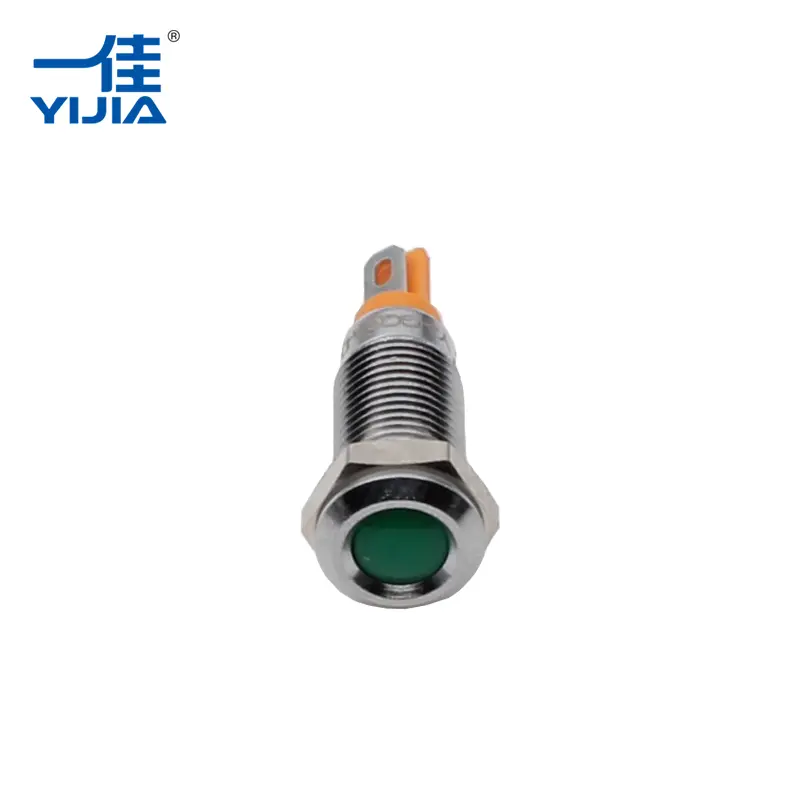
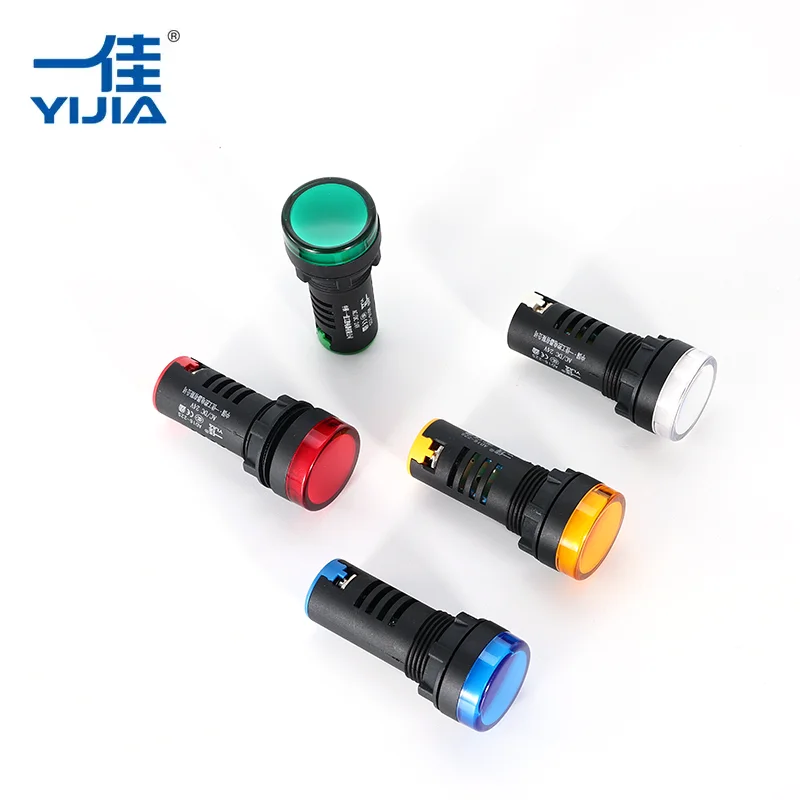
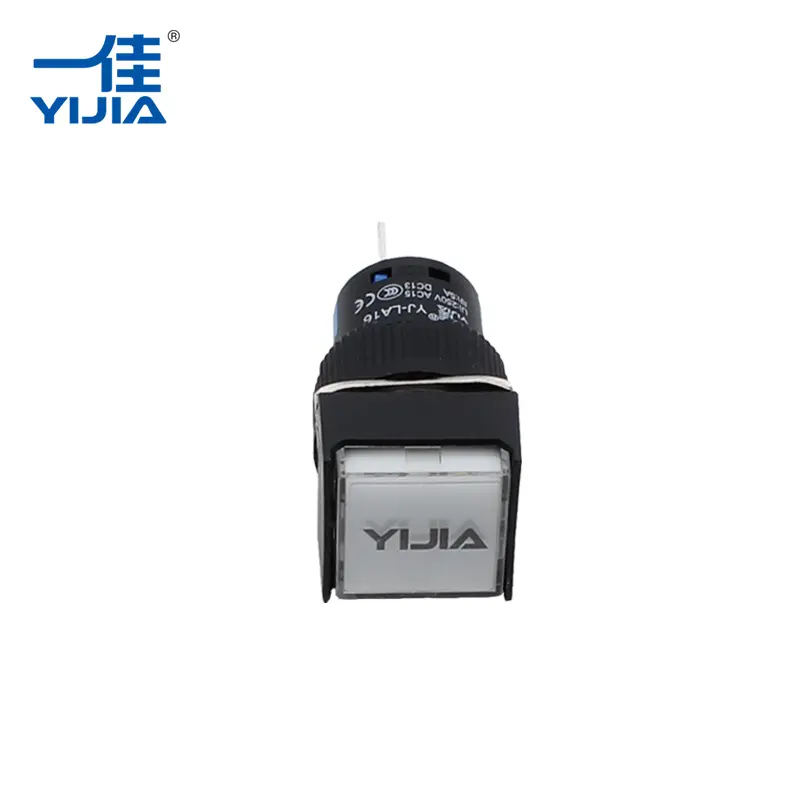
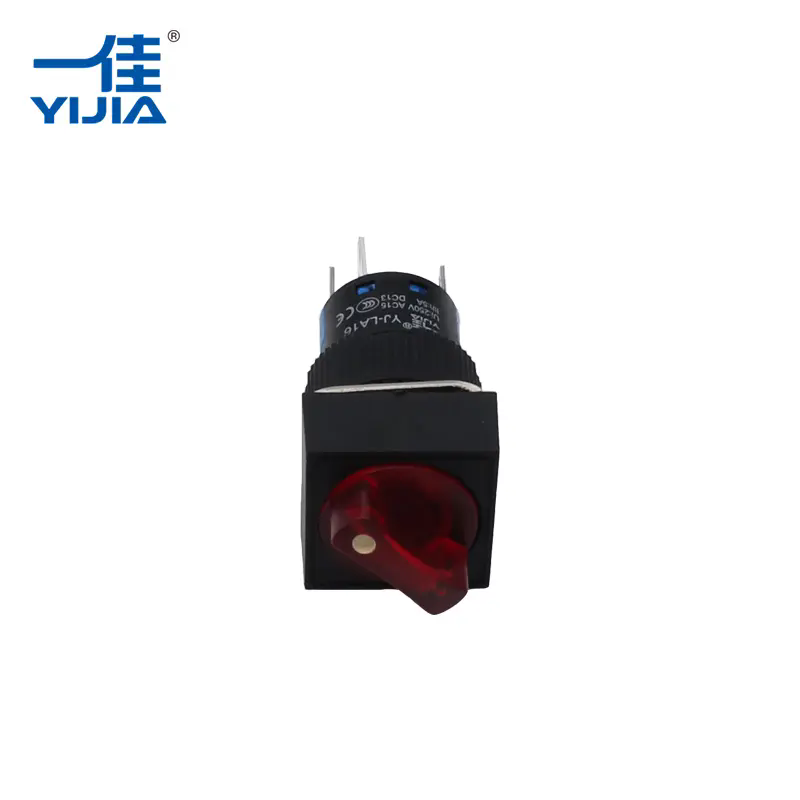
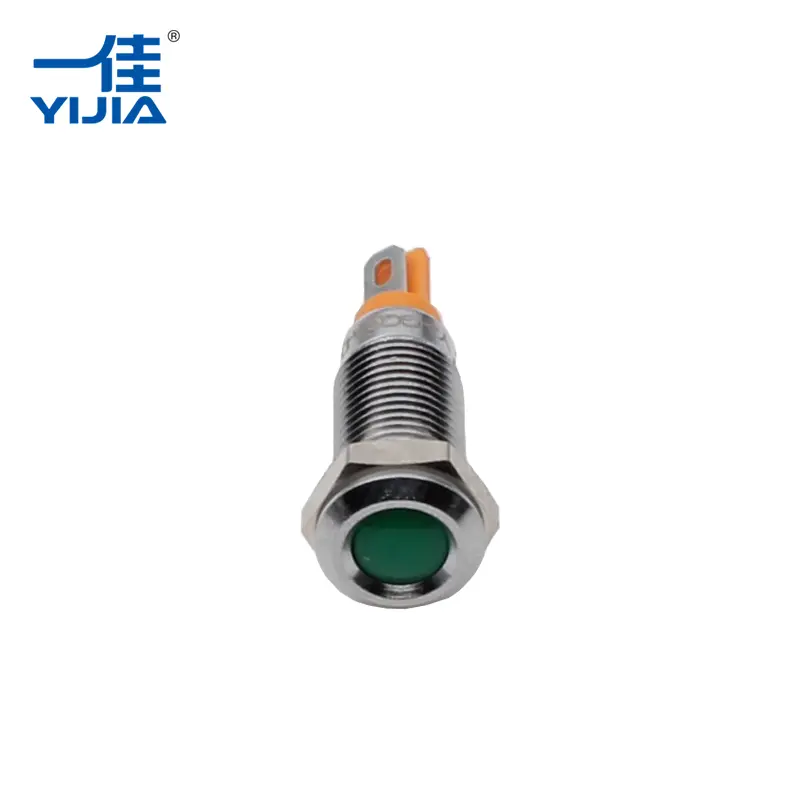
An indicator light, often called a pilot light, is a small visual signaling device used to indicate the status of an electrical circuit or machine. It provides quick feedback such as power status, warnings, and operational conditions. Indicator lights are typically color-coded: green for normal operation, red for faults, yellow for caution, and blue or white for special functions.


Types of Indicator Lights

Indicator lights come in a variety of forms depending on their application, power source, and mounting method. Below is a table summarizing common types:

Type Description Applications
LED Indicator Light Energy-efficient, long-lasting, available in various colors. Industrial panels, electronics, automotive dashboards.
Incandescent Indicator Light Traditional light bulb style, high brightness, short lifespan. Older machinery, legacy equipment.
Neon Indicator Light Uses neon gas, small current requirement, high voltage tolerance. Electrical panels, appliances, pilot lights.
Bi-Color or Multi-Color Indicator Light Displays multiple statuses using a single unit. Process control, system monitoring.
  • LED vs Incandescent: LEDs are more energy-efficient and durable than incandescent lights.
  • Single vs Multi-Color: Multi-color indicator lights save panel space and simplify wiring.
  • Panel-Mounted vs PCB-Mounted: Choose based on the equipment form factor and accessibility.

Applications of Indicator Lights

Indicator lights are ubiquitous in industrial, commercial, and consumer applications. Common uses include:

  • Industrial Equipment: Status indication of motors, pumps, conveyors, and control panels.
  • Consumer Electronics: Power on/off, charging status, error notification on devices.
  • Automotive Industry: Dashboard indicators such as turn signals, high beam, engine warning.
  • Energy and Utilities: Indicating the status of switches, breakers, and renewable energy systems.

Using high-quality indicator lights from Yijia ensures reliable performance and long service life.


Advantages of Using Indicator Lights

Indicator lights offer multiple benefits in any electrical system:

  1. Safety Enhancement: Quickly alerts operators to abnormal conditions, reducing risk of accidents.
  2. Operational Efficiency: Allows for instant monitoring without using meters or sensors.
  3. Troubleshooting Aid: Helps in pinpointing problems within circuits or machinery.
  4. Energy Saving: LED indicator lights consume minimal power compared to traditional bulbs.
  5. Cost-Effective: Affordable components that prevent expensive equipment downtime.

How to Select the Right Indicator Light

Selecting the appropriate indicator light requires consideration of several factors:

  • Voltage and Current Ratings: Ensure compatibility with the circuit.
  • Environment: For outdoor or industrial environments, consider IP-rated and weather-resistant lights.
  • Mounting Style: Panel-mounted, PCB-mounted, or surface-mount depending on the application.
  • Color and Visibility: Select colors that conform to standards and ensure clear visibility from required distances.
  • Durability and Lifespan: High-quality LEDs offer longer life and reduced maintenance costs.

Yijia’s indicator light range provides comprehensive options that meet international quality standards, ensuring optimal selection for your specific needs.


Installation Tips

Proper installation ensures indicator lights function correctly and last longer:

  • Verify voltage and current ratings before connecting.
  • Follow correct polarity for LED lights.
  • Secure mounting to prevent vibration or damage.
  • Use appropriate wiring and connectors to maintain electrical integrity.
  • Check visibility angles to ensure clear indication to operators.

Maintenance and Troubleshooting

Regular maintenance enhances reliability and extends lifespan:

  • Clean lens surfaces to maintain brightness.
  • Check for loose connections or corrosion.
  • Replace faulty lights immediately to maintain system safety.
  • Use multimeters to test voltage and current if lights fail to operate.

For systems using multiple indicator lights, maintain a log of replacements to track component lifespan and predict future maintenance needs.


Frequently Asked Questions

1. What is the main purpose of an indicator light?

Its primary purpose is to provide visual feedback about the operational status of equipment, circuit, or system, ensuring safety and efficiency.

2. Can I replace an incandescent indicator light with an LED?

Yes, but ensure voltage, current, and polarity compatibility. LEDs are more energy-efficient and durable.

3. How do I choose the right color for an indicator light?

Standard colors indicate specific statuses: green for normal, red for fault, yellow for warning, and blue/white for special functions. Follow your industry’s standards.

4. Are indicator lights suitable for outdoor applications?

Yes, choose weatherproof or IP-rated models for outdoor or harsh environments.

5. How long do indicator lights typically last?

LED lights can last tens of thousands of hours, whereas incandescent or neon lights have shorter lifespans.


Conclusion

Indicator lights, though small in size, play a critical role in electrical systems by enhancing safety, providing immediate feedback, and aiding in efficient operation and maintenance. Selecting high-quality products, such as those offered by Yijia, ensures reliability and longevity. From industrial panels to automotive dashboards, understanding the types, applications, and proper installation of indicator lights is key for optimal system performance.

For more information on choosing the perfect indicator light for your system, feel free to contact us and get expert guidance from our team at Yijia.

Related News
Leave me a message
X
We use cookies to offer you a better browsing experience, analyze site traffic and personalize content. By using this site, you agree to our use of cookies. Privacy Policy
Reject Accept