News

What Is a Momentary Push Button Switch?

2026-01-27 0 Leave me a message

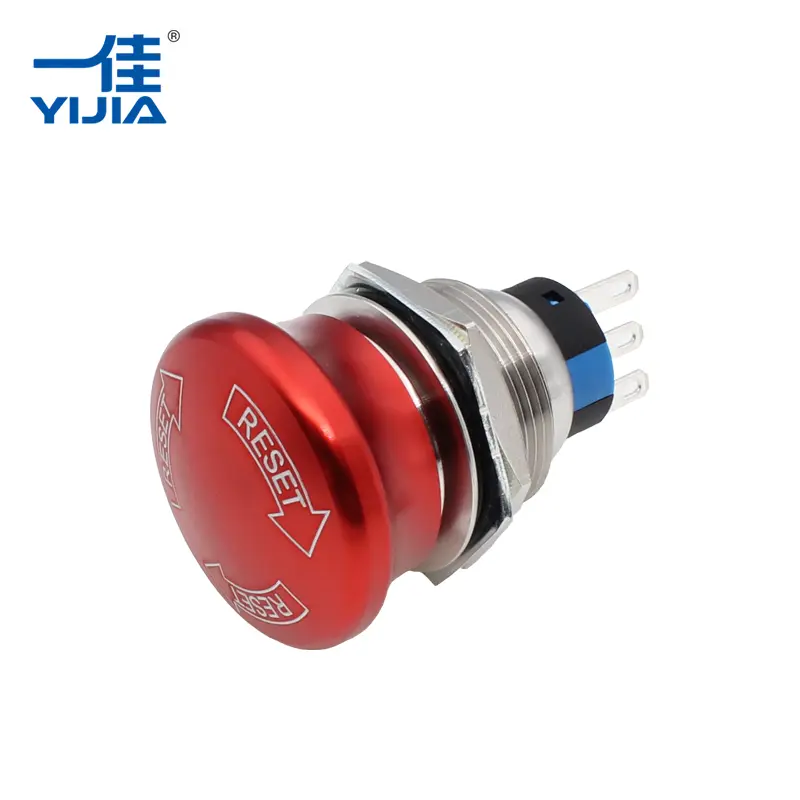
A momentary push button switch is a fundamental yet critical component in modern electrical and electronic systems. It is designed to complete or interrupt a circuit only while the button is actively pressed, returning to its default state immediately after release. This simple operating principle makes the momentary push button switch indispensable across industrial control panels, consumer electronics, automation equipment, medical devices, and transportation systems.

For many buyers, engineers, and purchasing managers, choosing the right momentary push button switch can be surprisingly challenging. Concerns about durability, electrical ratings, environmental resistance, safety compliance, and user experience often lead to confusion or costly mistakes. This article provides a comprehensive and practical guide to help you understand how momentary push button switches work, where they are used, how to select the right model, and why quality manufacturing matters.

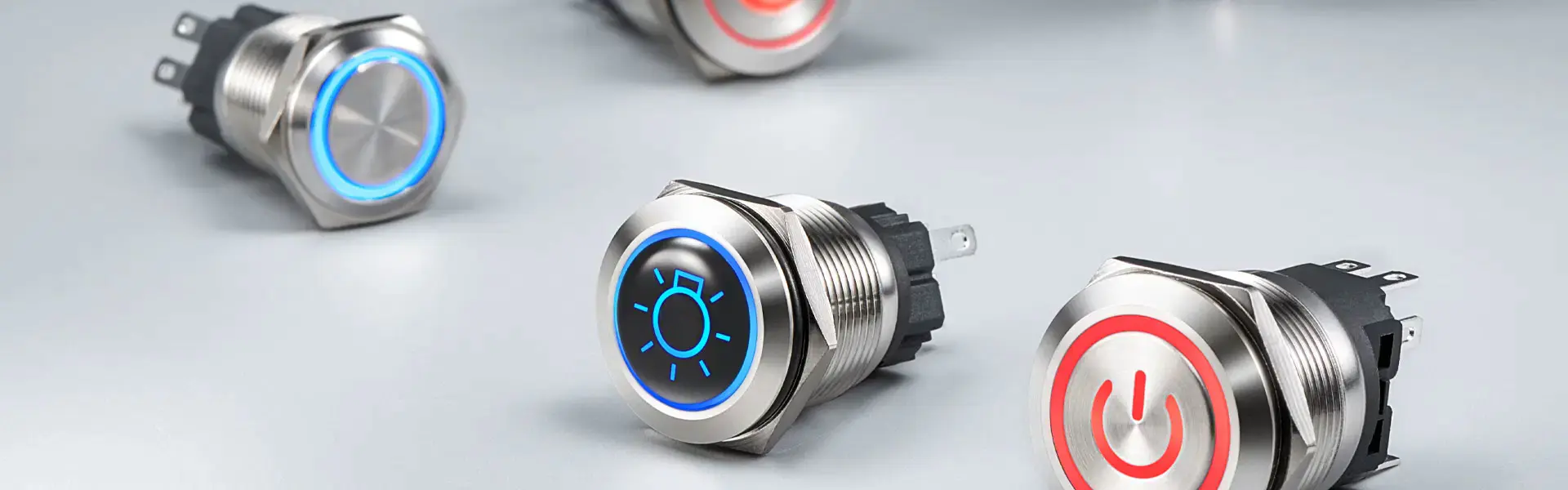
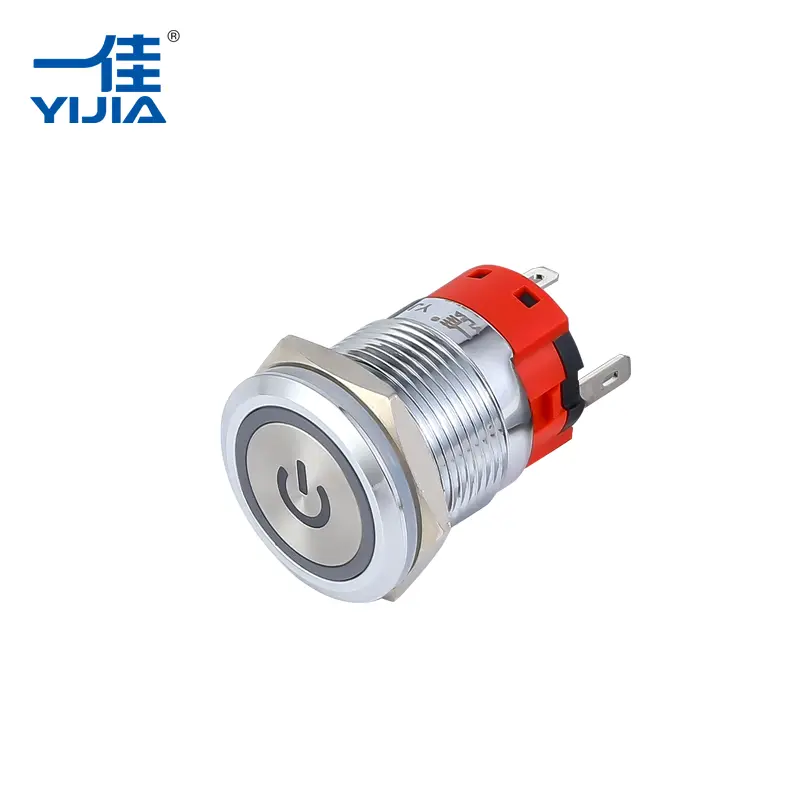
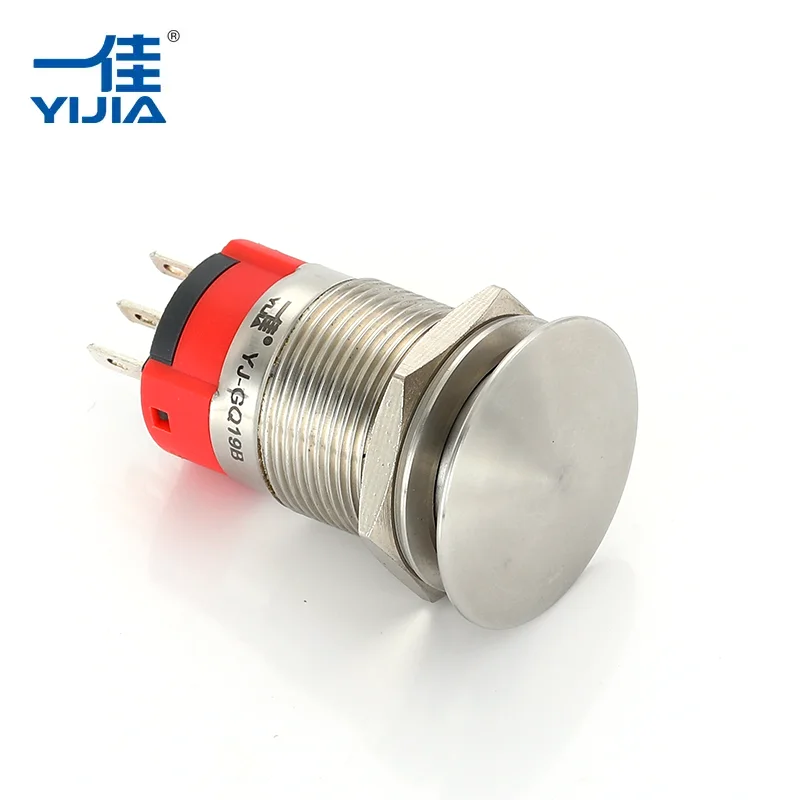
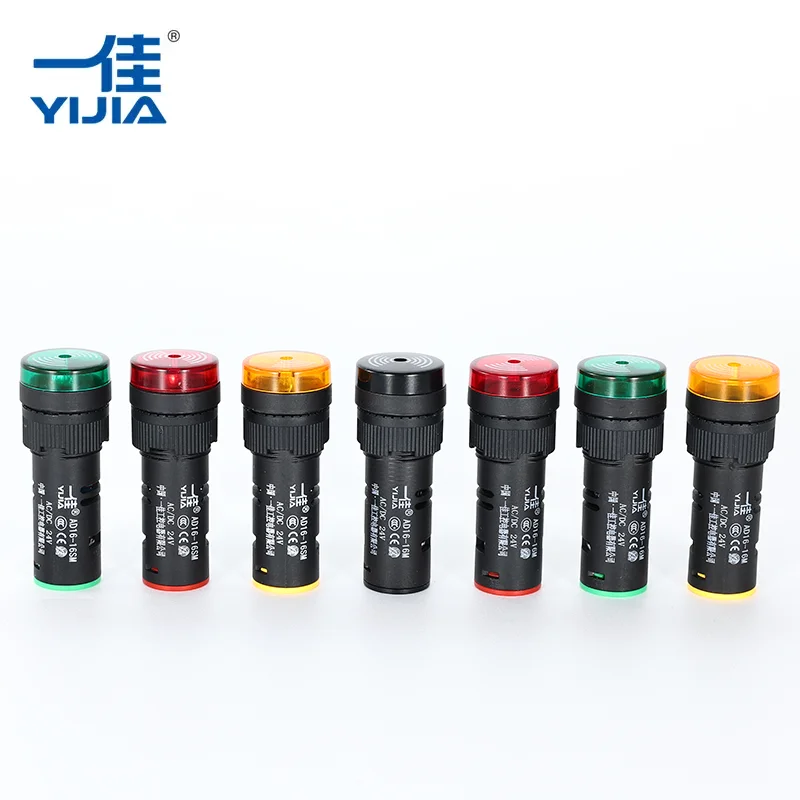
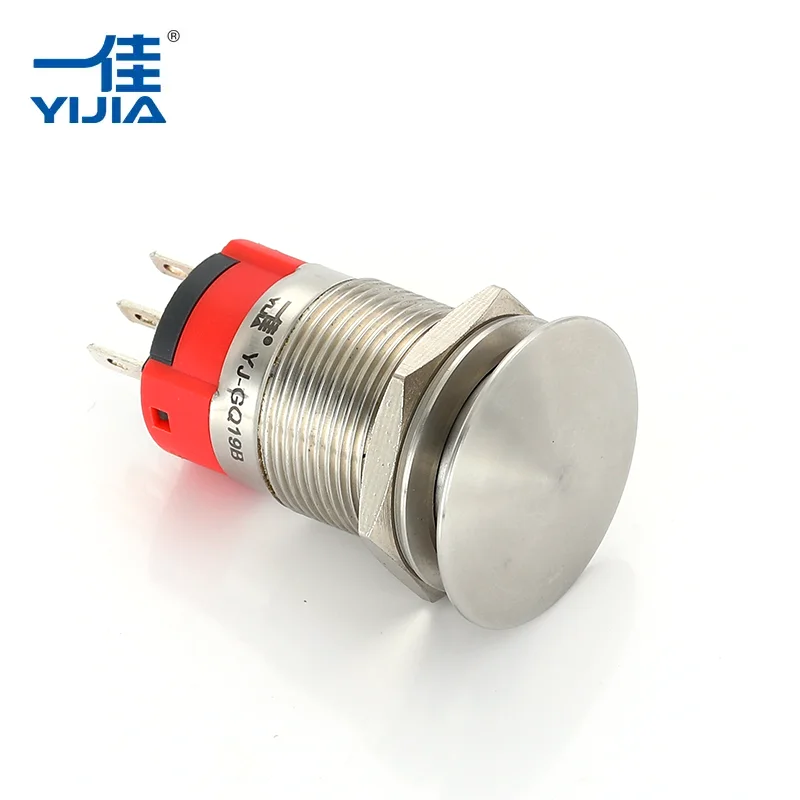
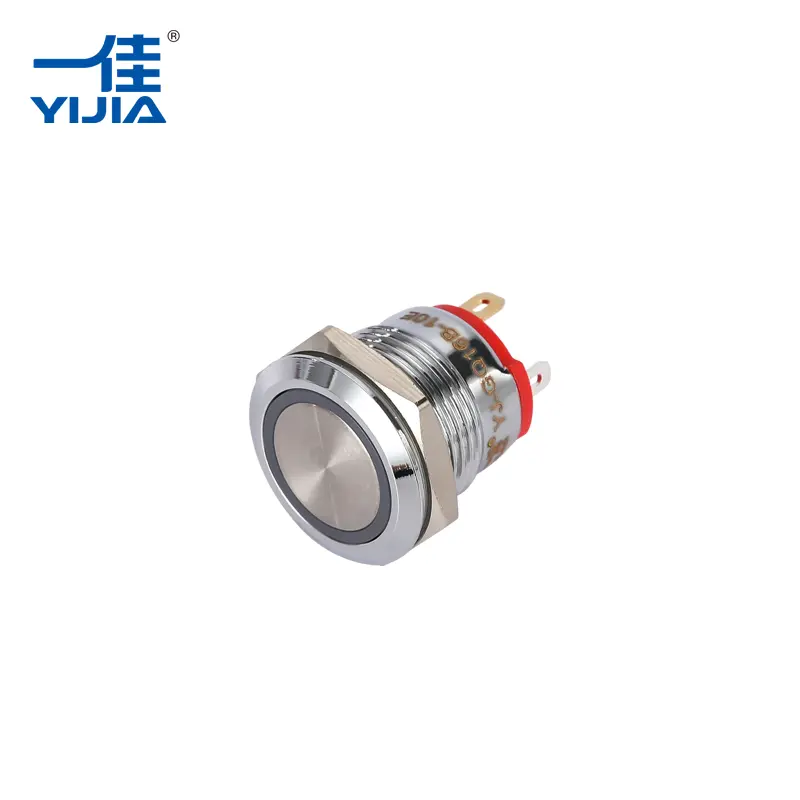
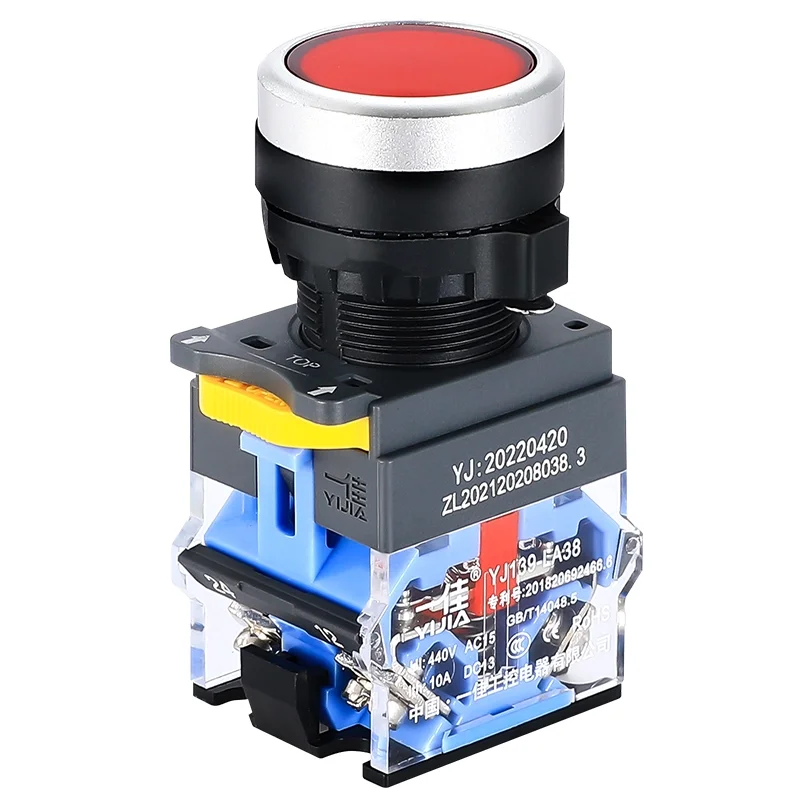
momentary push button switch


Article Summary

This in-depth guide explains the working principle, types, applications, materials, performance considerations, and selection criteria of momentary push button switches. It addresses common customer pain points such as reliability, lifespan, installation errors, and safety concerns. You will also learn how professional manufacturers like Yijia Industrial Electric Co., Ltd. ensure consistent quality and long-term performance for global customers.


Table of Contents

  • Understanding the Basic Working Principle
  • Normally Open vs Normally Closed Designs
  • Key Components and Internal Structure
  • Common Applications Across Industries
  • Materials and Construction Options
  • Electrical Ratings and Performance Factors
  • Environmental and Safety Considerations
  • Installation and Wiring Best Practices
  • Common Problems and How to Avoid Them
  • How to Choose the Right Momentary Push Button Switch
  • Why Manufacturer Quality Matters
  • Frequently Asked Questions

Understanding the Basic Working Principle

A momentary push button switch operates by temporarily changing the state of an electrical circuit. When the button is pressed, internal contacts either close or open, allowing current to flow or stopping it. Once the button is released, a spring mechanism returns the contacts to their original position.

This temporary action is ideal for commands such as start, stop, reset, signal activation, or user input confirmation. Unlike maintained switches, momentary switches do not stay in one position, reducing the risk of accidental continuous operation.


Normally Open vs Normally Closed Designs

Momentary push button switches are commonly available in two contact configurations:

  • Normally Open (NO): The circuit is open when idle and closes when the button is pressed.
  • Normally Closed (NC): The circuit is closed when idle and opens when the button is pressed.

Understanding this distinction is crucial when designing control logic. Incorrect selection may result in unexpected behavior or system failure, especially in safety-critical applications.


Key Components and Internal Structure

Despite their compact appearance, momentary push button switches consist of multiple precision-engineered components:

  • Actuator or button cap
  • Return spring mechanism
  • Contact terminals
  • Housing or mounting body
  • Sealing elements for protection

Manufacturers such as Yijia Industrial Electric Co., Ltd. carefully control material tolerances and assembly precision to ensure stable contact performance over millions of cycles.


Common Applications Across Industries

Momentary push button switches are used wherever precise human or automated input is required:

  • Industrial machinery control panels
  • Automation and robotics systems
  • Medical equipment interfaces
  • Household appliances
  • Automotive dashboards
  • Elevators and access control systems

Their versatility makes them a preferred solution for both high-current industrial systems and low-voltage electronic devices.


Materials and Construction Options

The choice of materials directly impacts durability, aesthetics, and environmental resistance.

Component Common Materials Benefits
Button Cap Plastic, Stainless Steel, Aluminum Comfort, appearance, corrosion resistance
Housing Nylon, Metal Alloy Mechanical strength, insulation
Contacts Silver Alloy, Gold-Plated Copper Low resistance, long lifespan

High-quality manufacturers like Yijia Industrial Electric Co., Ltd. select materials based on application-specific requirements rather than cost alone.


Electrical Ratings and Performance Factors

Electrical ratings define how safely and reliably a momentary push button switch can operate.

  • Rated voltage and current
  • Contact resistance
  • Mechanical and electrical life cycles
  • Insulation resistance

Ignoring these parameters may lead to overheating, contact welding, or premature failure.


Environmental and Safety Considerations

Operating environments can vary dramatically. Dust, moisture, vibration, and temperature extremes must all be considered.

Many momentary push button switches are designed with protective ratings to ensure safe operation in harsh conditions. Reliable suppliers such as Yijia Industrial Electric Co., Ltd. perform rigorous testing to ensure consistent performance in demanding environments.


Installation and Wiring Best Practices

Proper installation ensures optimal performance and safety:

  • Verify voltage and current compatibility
  • Secure mounting to prevent vibration damage
  • Use appropriate wire gauge
  • Follow clear terminal identification

Incorrect wiring remains one of the most common causes of switch malfunction.


Common Problems and How to Avoid Them

Typical issues include contact wear, mechanical sticking, and environmental damage. These problems are often caused by poor material quality or incorrect selection.

Choosing products from established manufacturers like Yijia Industrial Electric Co., Ltd. significantly reduces long-term operational risks.


How to Choose the Right Momentary Push Button Switch

When selecting a switch, consider the following factors:

  • Application purpose and control logic
  • Electrical and mechanical ratings
  • Environmental conditions
  • Mounting size and appearance
  • Supplier reliability and technical support

A well-chosen switch improves system reliability, safety, and user satisfaction.


Why Manufacturer Quality Matters

Not all momentary push button switches are created equal. Precision manufacturing, strict quality control, and consistent testing distinguish professional suppliers from low-cost alternatives.

Yijia Industrial Electric Co., Ltd. focuses on stable performance, long service life, and global application compatibility, making it a trusted partner for customers worldwide.


Frequently Asked Questions

Q: What is the main advantage of a momentary push button switch?

A: It provides precise, temporary control and automatically returns to its default state, reducing operational risks.

Q: Can momentary push button switches handle high current?

A: Yes, when properly rated. Always select a model that matches or exceeds your electrical requirements.

Q: Are these switches suitable for outdoor use?

A: Certain models are designed for outdoor or harsh environments with appropriate protection features.

Q: How long do momentary push button switches typically last?

A: High-quality switches can withstand hundreds of thousands to millions of operating cycles.

Q: Why choose Yijia Industrial Electric Co., Ltd.?

A: The company offers consistent quality, reliable performance, and professional support for diverse applications.


If you are looking for dependable, high-performance momentary push button switches tailored to your application needs, Yijia Industrial Electric Co., Ltd. is ready to support your project. Whether you require standard solutions or customized designs, feel free to contact us to discuss your requirements and receive expert assistance.

Related News
Leave me a message
X
We use cookies to offer you a better browsing experience, analyze site traffic and personalize content. By using this site, you agree to our use of cookies. Privacy Policy
Reject Accept